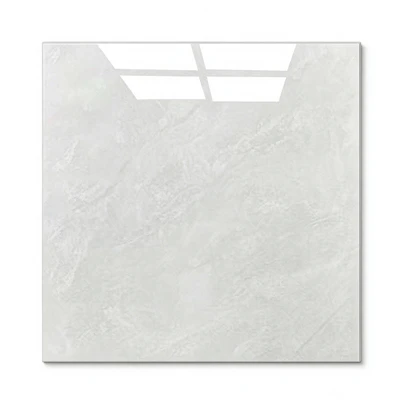
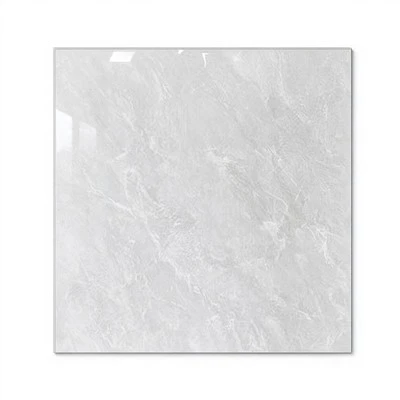
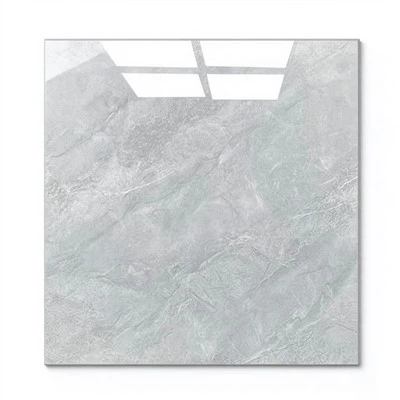
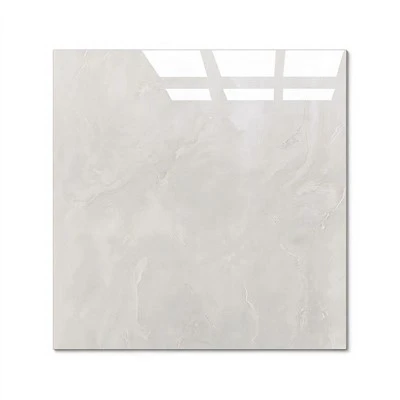
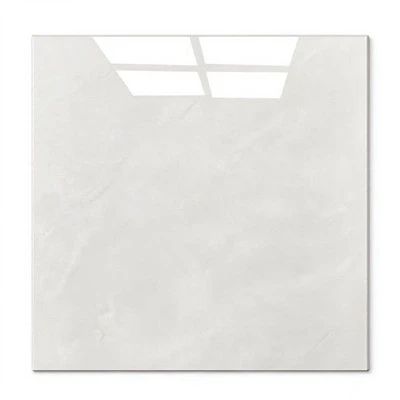
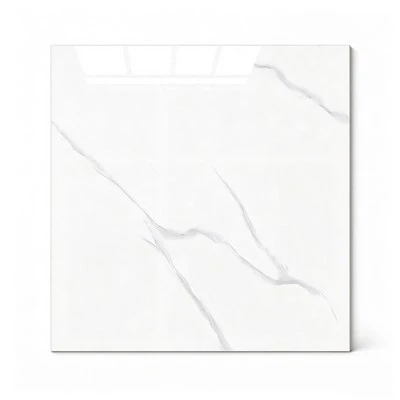
Glaze crazing - fine spiderweb cracks on tile glaze - is a common hidden defect triggered by mismatched thermal expansion between glaze and body. Gu-Jian Ceramics tunes its glaze recipe for glazed porcelain tiles to match the expansion coefficient of the porcelain substrate, eliminating crazing risk. This glaze-body compatibility is a core material advantage refined through repeated kiln testing.
When glaze and porcelain body expand and contract at different rates, tiny cracks form over time, letting water and dirt penetrate. Crazed tiles gradually stain and lose protective performance. Gu-Jian's R&D team adjusts frit composition, firing curve and cooling speed so glaze and porcelain contract synchronously. Even after years of alternating hot water cleaning and ambient temperature swings, the glaze stays intact.
This is especially vital for wet areas such as shower walls, spa zones and commercial kitchens where warm water hits tile surfaces daily. The anti-crazing glaze retains stain resistance and waterproof performance for decades. Gu-Jian supplies test reports covering accelerated ageing thermal cycling for tender documentation. Designers can confidently select glossy, satin and matte glazed porcelain variants for continuous wet cladding. Combined with low water absorption porcelain body, the optimised glaze system delivers dependable long-term performance for demanding interior environments.