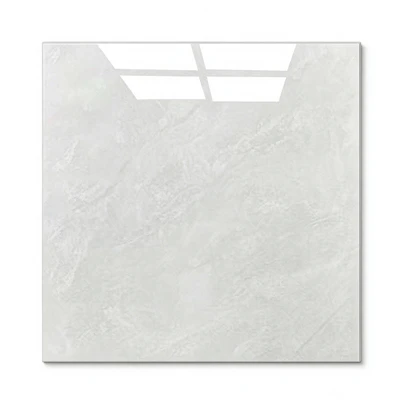
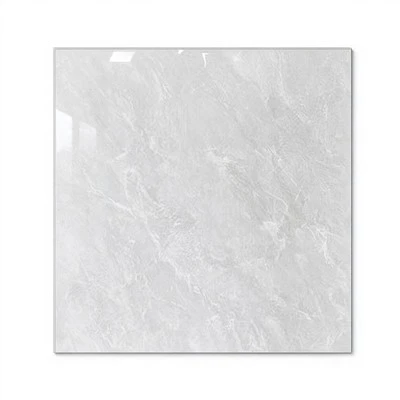
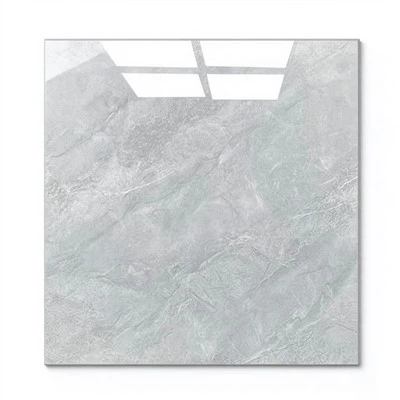
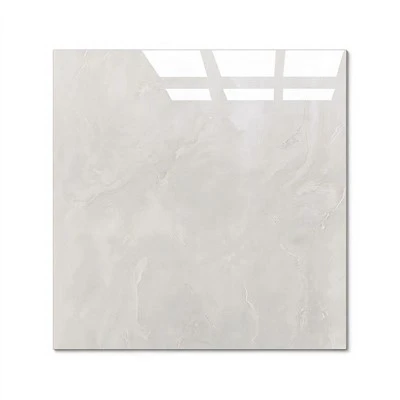
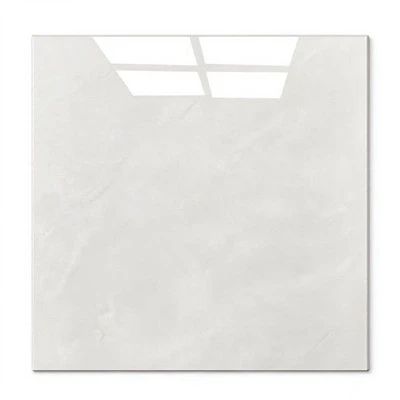
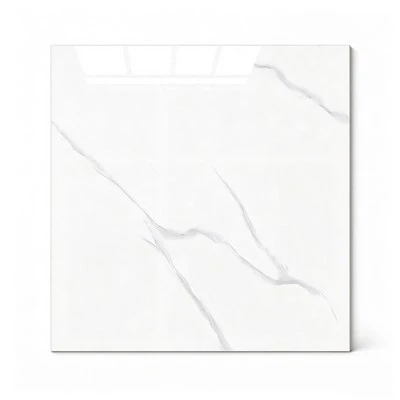
Energy-efficient building design increasingly values the thermal behaviour of finishing materials, and Gu-Jian glazed porcelain tiles offer stable thermal performance. Fully vitrified porcelain has low thermal conductivity compared with metal and natural stone. It moderates surface temperature, avoiding extreme cold sensation underfoot in winter and overheating under direct sunlight in summer.
The material does not store excessive heat and release it slowly. For buildings equipped with underfloor heating systems, glazed porcelain remains a compatible choice. Its dense structure transfers heat evenly without thermal shock cracking, as long as proper flexible adhesive and grout are used. Unlike some thin flooring materials that warp with temperature cycling, porcelain's low thermal expansion rate preserves tile integrity.
Gu-Jian's glaze formulas are engineered to stay firmly bonded to the porcelain base during repeated heating and cooling cycles. No blistering, peeling or crazing occurs when used with hydronic underfloor heating. Architects targeting energy-saving residential and resort projects frequently calculate porcelain's thermal property into whole-building comfort simulations. Alongside fire resistance and zero VOC emission, this thermal characteristic makes glazed porcelain a sensible pick for passive houses and low-carbon building schemes across global markets.