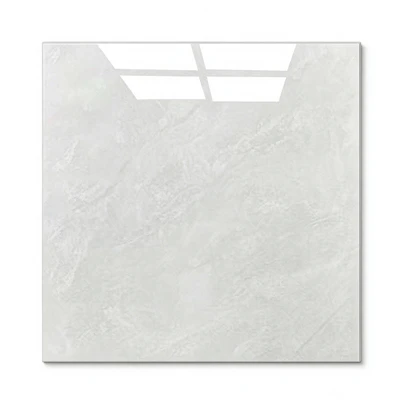
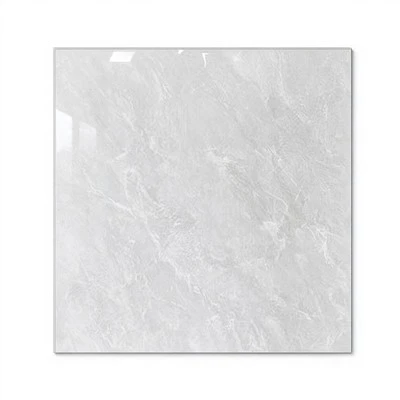
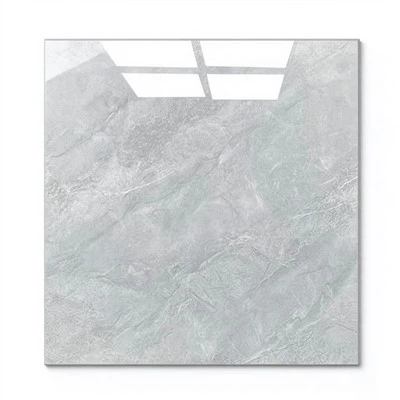
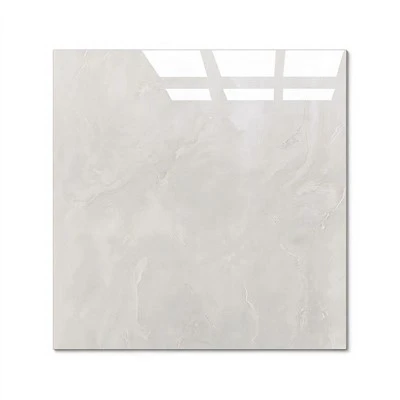
Modern large construction sites gradually adopt mechanical tile laying tools, which require consistent weight per tile. Gu-Jian glazed porcelain tiles feature tight weight consistency, controlled by uniform powder density and precise pressing parameters. Identical weight across the same specification helps automated suction tools grip and position tiles accurately without slippage.
Weight stability is a direct result of porcelain material control. Inconsistent clay moisture and uneven compaction create variable density, leading to heavy and light tiles mixed in one batch. This confuses automatic laying equipment and causes manual rework. Gu-Jian's six automated production lines monitor powder feeding, pressing pressure and kiln temperature in real time to lock in density.
For mass residential development and modular hotel projects, this consistency raises tiling efficiency. The glazed surface also has uniform friction, suitable for robotic handling. While the porcelain body delivers classic benefits including wear resistance and waterproofing, this manufacturing-controlled weight uniformity is a practical advantage for large-scale modern construction workflows. Overseas EPC contractors note that predictable tile properties reduce on-site technical variables and keep projects on schedule.