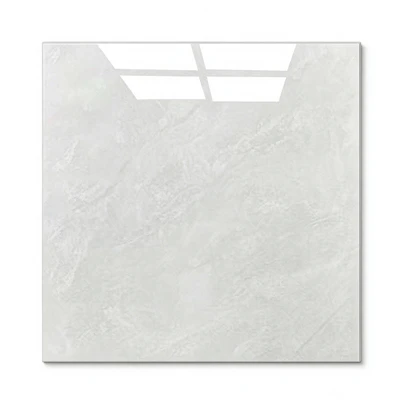
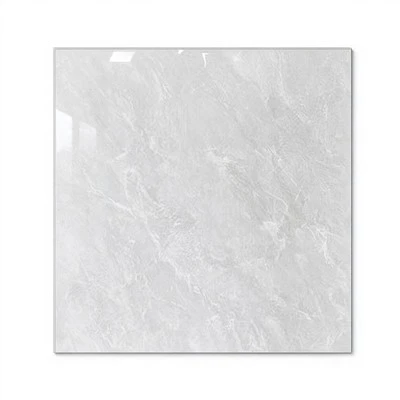
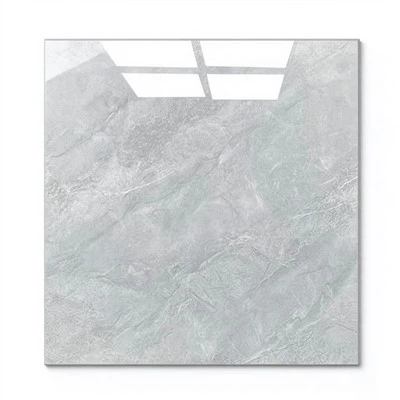
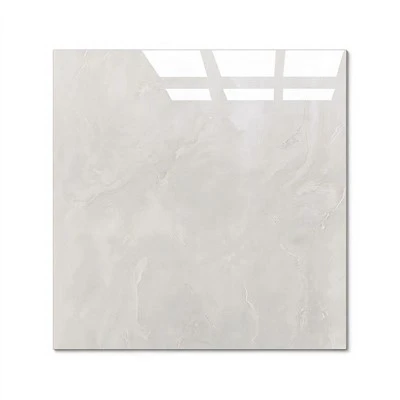
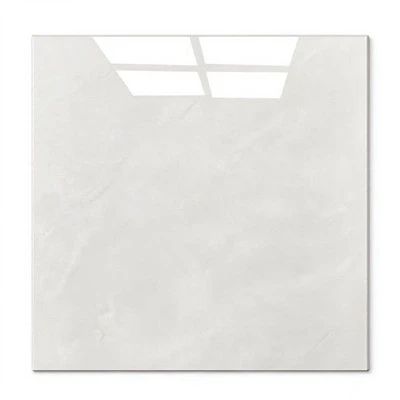
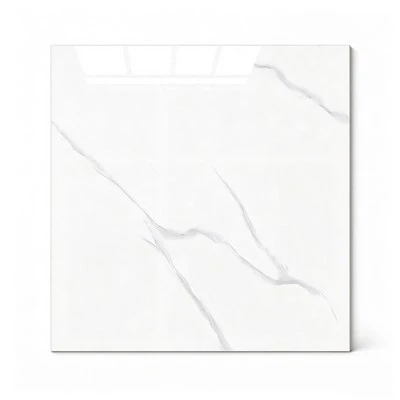
Circular economy requirements spread across the global tile industry, and Gu-Jian glazed porcelain tiles stand out as fully inorganic recyclable building materials. Porcelain consists of natural feldspar, quartz and kaolin, sintered into stable silicate crystals. At the end of service life, tiles can be crushed and reused as aggregate for road base, concrete filler or new ceramic raw material.
Unlike vinyl, composite panels and resin finishes, glazed porcelain contains no plastic binder or organic additives that complicate recycling sorting. The vitrified structure is chemically stable and will not leach harmful substances into soil after disposal. The long service life itself reduces replacement frequency and waste generation. Many green building schemes award credits for durable, recyclable cladding materials.
Gu-Jian avoids heavy metal pigments in its standard glazed porcelain collection to meet international recycling standards. The glaze layer, once crushed together with the porcelain body, becomes part of inert mineral aggregate. Architects designing zero-waste renovation projects select this series to align with sustainability targets. Combined with low-emission production and eco-friendly functional options, recyclable glazed porcelain fits the global shift toward closed-loop construction material systems.